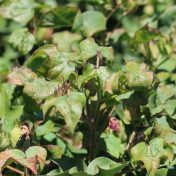
Leafhoppers (also known as jassids) rarely cause damage in cotton, so some unusual symptoms (leaf chlorosis that presented a little like cotton bunchy top disease) across several cotton fields in Queensland’s Burnett region last month that appeared to be associated with leafhoppers had both taxonomists and virologists searching for an explanation. Both the damage and leafhoppers present shared many of… Read more »
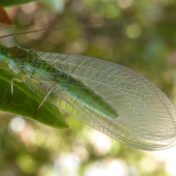
Green lacewing larvae are generalist predators, and are important natural enemies of a range of pests including aphids, helicoverpa, whitefly and mealybugs. There are many species of green lacewings in Australia, including some that commonly occur in field crops. Readers are most likely to be familiar with Mallada signatus, which regularly features in ID guides, but another species, Plesiochyrsa ramburi… Read more »
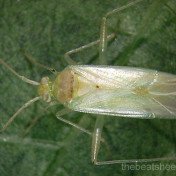
After the introduction of Bt cotton in the 1990s, the focus of cotton pest management has shifted to sucking pests. Green and brown mirid (Creontiades spp.) damage can occur at any stage, from seedling to boll filling, although crops are usually attacked before peak flowering. Feeding damage (including terminal death, abscission of young squares and bolls, and lint damage in… Read more »
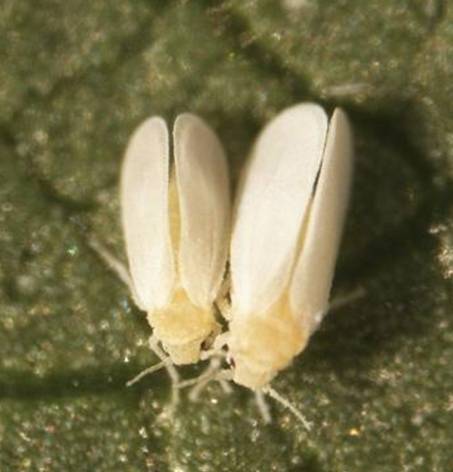
With cotton crops approaching cut-out, it’s time to make critical decisions regarding silverleaf whitefly (SLW) management. Recent hot weather has seen SLW numbers increase in many areas—indicating that a number of fields are likely to require control action soon. SLW has evolved to become one of the most complex insects to manage in a cotton system because we are essentially controlling… Read more »
With the current season shaping up to be one of high insect pressure, we may see silverleaf whitefly (SLW), Bemisia tabaci reach problematic levels in regions outside of their traditional range. For growers and agronomists not familiar with their control it is worth investing some time to understand how one of the main registered insecticides, pyriproxyfen, works. What is pyriproxyfen?… Read more »
Pigeon peas represent about 80% of the refuges cultivated to offset Bollgard cotton in Australia due to the land area use efficiency of this option. However, over the years, varietal mixing and continual recycling of seed from undamaged refuges has resulted in peas that flower later in the season, increasingly lacking synchrony with Bollgard’s boll setting period, thus reducing the… Read more »
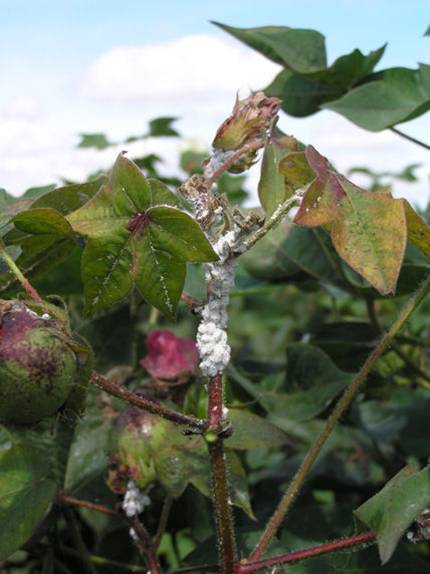
Solenopsis mealybug can be found throughout Queensland’s cropping areas and has also been confirmed in Western Australia, the Northern Territory and Victoria. Whilst solenopsis has not yet been confirmed in NSW cotton crops it would be reasonable to assume that it is likely to be present in the broader landscape and it is only a matter of time before it… Read more »
Two new insecticides have recently been registered to control Bemisia tabaci B-biotype in cotton. Product Insecticide group Active ingredient Pest Exirel® anthranilic diamide (Group 28) cyantraniliprole SLW, Helicoverpa, cotton aphid (suppression only) Starkle® neonicotinoid (Group 4A) dinotefuran SLW & green mirid Exirel® was registered for cotton use in the 2013/14 season, and Starkle® has been registered for the current cotton… Read more »
Emerging and vegetative summer crops in close proximity to unharvested winter crop are at risk of thrip damage, but the damage is largely cosmetic and rarely warrants treating. Thrips breed up in winter cereals, and particularly after rain, will move out of the winter crops in huge numbers. Most of you will be familiar with the joys of thrips biting… Read more »
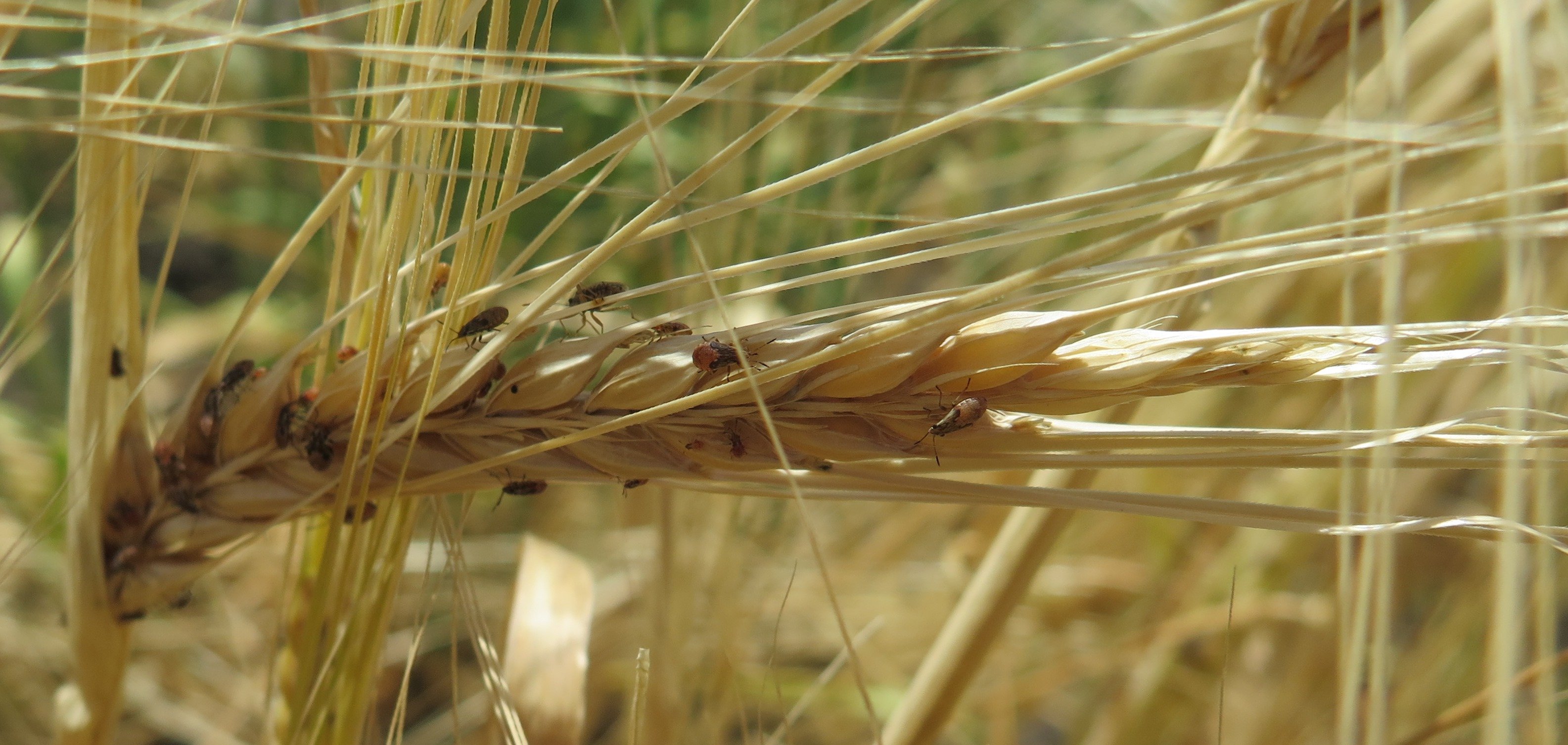
Rutherglen bug (RGB) numbers in canola stubble are again high in some fields. These infestations pose a risk to neighbouring crops, either through damage to establishing summer crops or contamination of unharvested winter crops. Both the canola and adjacent crops warrant monitoring for RGB infestation and movement out of the canola field. If large number of nymphs move into adjacent fields with seedling… Read more »